Dental Loupes for Dentists: How Magnification Can Improve Precision, Posture and Clinical Visibility

Endodontic Rotary Files: What Dentists Should Know
Root canal treatment requires careful cleaning, shaping and preparation of the root canal system.
Endodontic rotary files are designed to assist dentists during mechanical canal preparation. Modern rotary systems can help clinicians achieve controlled canal shaping when used according to the manufacturer’s instructions and appropriate clinical protocols.
However, choosing a rotary file system is not simply about selecting the newest or fastest instrument.
Dentists should consider canal anatomy, file design, flexibility, cutting efficiency, taper, torque requirements and the clinical workflow.
What Are Endodontic Rotary Files?
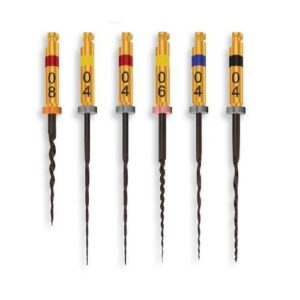
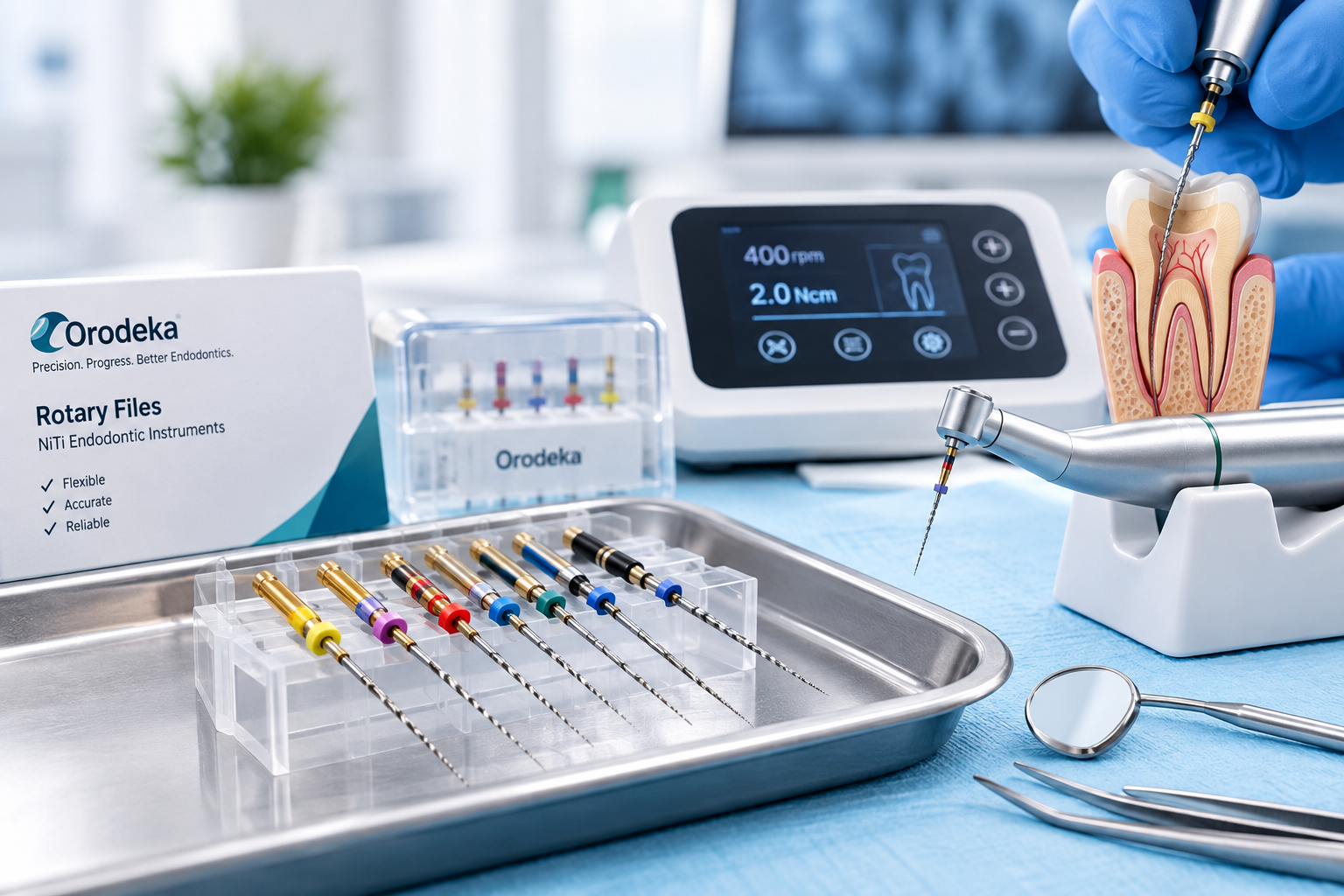
Endodontic rotary files are dental instruments used with an endodontic motor to mechanically prepare and shape root canals.
Many modern systems use nickel-titanium (NiTi) alloys because their flexibility can help instruments negotiate curved canals.
Rotary instruments are commonly used as part of a broader root canal treatment workflow that includes diagnosis, access preparation, working-length determination, irrigation, canal preparation, obturation and restoration.
Why Is Canal Shaping Important?
The root canal system can contain complex anatomy, including:
- Curved canals
- Narrow canals
- Multiple canals
- Isthmuses
- Apical anatomy
- Anatomical variations
The goal of mechanical preparation is to create a suitable canal shape while preserving as much healthy tooth structure as clinically appropriate.
Mechanical instrumentation should work together with irrigation and other parts of the endodontic protocol rather than being considered independently.
Rotary Files vs Hand Files
Traditional hand files remain important in endodontic treatment.
Rotary instruments provide a motor-driven method for canal preparation, while hand instruments can be used for negotiation, glide-path creation and other clinical steps depending on the selected technique.
Many clinicians use a combination of hand and rotary instrumentation.
The choice depends on the dentist’s training, treatment philosophy, case complexity and instrument system.
6 Factors to Consider When Choosing Rotary Files
1. File Design
The cross-sectional geometry and cutting design influence how an instrument interacts with the canal walls.
Dentists should understand the manufacturer’s specifications before using a particular file system.
2. Flexibility
Canal curvature is an important consideration.
A flexible instrument may be useful when negotiating curved canal anatomy, but flexibility alone does not determine clinical performance.
3. Taper
Taper describes how the instrument’s diameter changes along its working portion.
Different tapers can be selected depending on the desired canal preparation.
4. Cutting Efficiency
An efficient cutting design can help remove dentine during canal shaping.
However, cutting efficiency must be considered together with control, anatomy and instrument handling.
5. Motor Compatibility
Rotary files must be used with an appropriate endodontic motor and according to the manufacturer’s recommended speed and torque parameters.
Dentists should always follow the specific instructions supplied with the instrument system.
6. Clinical Workflow
A good rotary file system should fit naturally into the dentist’s existing endodontic workflow.
The number of instruments, sequence, irrigation protocol and glide-path requirements should all be considered.
The Importance of Following Manufacturer Instructions
Endodontic instruments are precision medical devices.
Dentists should follow the manufacturer’s instructions regarding:
- Speed
- Torque
- Number of uses
- Sterilization
- Inspection
- Storage
- Instrument separation prevention
- Clinical indications
The CDC also emphasizes that reusable dental instruments require appropriate cleaning, disinfection and sterilization procedures, with manufacturer instructions available for reprocessing.
Instrument Sterilization and Infection Control
Instrument selection is only one part of a safe dental workflow.
Dental instruments should be appropriately cleaned and processed before sterilization. The Indian Dental Association recommends proper cleaning and sterilization of dental instruments and emphasizes appropriate handling of contaminated instruments.
For critical instruments that penetrate soft tissue or bone, heat sterilization is recommended by CDC guidance.
Dental practices should always follow applicable infection-control requirements and the manufacturer’s instructions for reusable instruments.
Exploring Modern Endodontic Systems
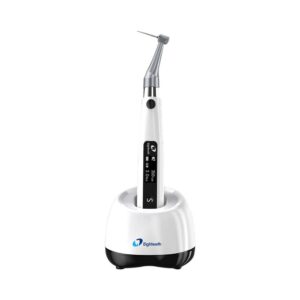
TeneX Healthcare currently distributes Orodeka endodontic products, including GP points, K Files, H Files, G files, Plex RT retreatment files and Plex V rotary files. The company also lists the Dolphin ED 1 brushless endomotor within its endodontic product range.
This range allows dental professionals to explore different instruments and equipment for endodontic workflows.
Frequently Asked Questions
What are rotary files used for?
Rotary files are used with an endodontic motor to mechanically prepare and shape root canals during root canal treatment.
Are rotary files better than hand files?
Rotary and hand files serve different roles. Many endodontic techniques use both depending on the case and clinician’s preferred workflow.
What are NiTi rotary files?
NiTi rotary files are endodontic instruments manufactured using nickel-titanium alloys. Their flexibility makes them useful in many canal-shaping applications.
How often should rotary files be reused?
Reuse depends on the specific instrument, manufacturer instructions and clinical circumstances. Dentists should follow the manufacturer’s recommended usage and inspection procedures.
Can rotary files be sterilized?
Reusable rotary instruments must be processed according to the manufacturer’s reprocessing instructions and the dental practice’s infection-control protocol.
How should dentists select an endodontic file system?
Consider canal anatomy, file design, taper, flexibility, motor compatibility, recommended speed and torque, clinical workflow and manufacturer instructions.
Conclusion
Endodontic rotary files are an important component of modern root canal treatment workflows. The right system can help dentists approach canal preparation in a structured and controlled manner.
Rather than choosing instruments based only on brand or marketing claims, clinicians should evaluate file design, flexibility, taper, motor compatibility, workflow and manufacturer instructions.
Looking for endodontic instruments and rotary files?
Explore the Orodeka endodontic range from TeneX Healthcare Bangalore and contact the team for product information and professional support.